
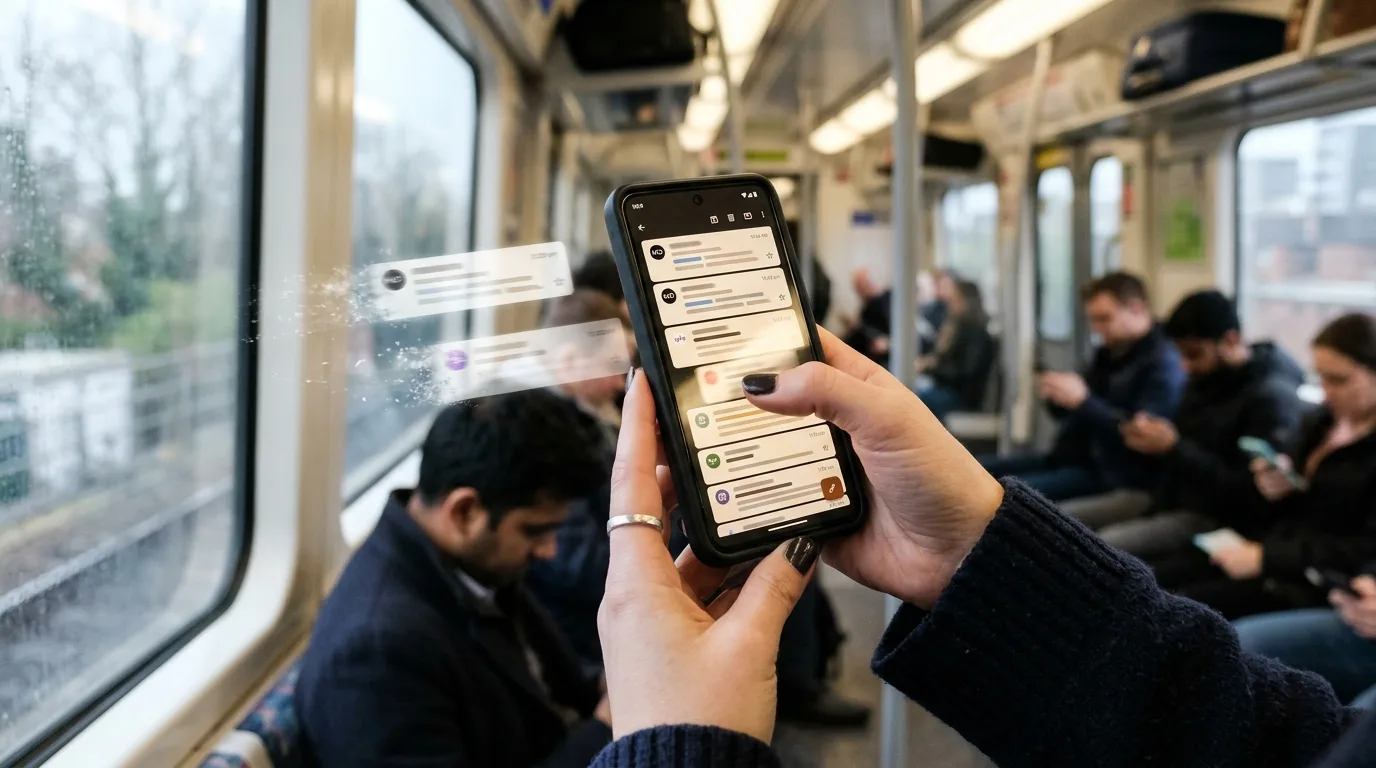
Engaged the Wrong Way
Opening is not reading. Clicking is not caring. Those two sentences are obvious and ignored at scale, because every quarter the engagement report treats them as false.
The quarterly summary reads beautifully. Total opens rose with every send. Click-through rates held. Session time is climbing. Somewhere in the rows beneath those numbers sits the customer who produced them, the one who opened every message this year and acted on none of them. And unwritten on the same page is the other customer, who ignored most of what arrived, renewed last quarter without a campaign touch, and referred two colleagues who are now paying customers. The CRM would even file the second one under low engagement, a churn watch candidate.
The first is engaged in the wrong way. The second is engaged the right way, and the difference between them appears in no column the report knows how to print. The dashboard rewards the first kind. The relationship is carried by the second.
The mistake runs deeper than reporting. Once the dashboard rewards the first kind, the marketing follows. Reasons to engage get manufactured. The problems to solve and the benefits to claim are invented for the calendar, and campaigns get built to be opened rather than to be useful.
Output Is Not Outcome
The confusion survives because outputs are cheap and outcomes are expensive. Opens, clicks, likes, shares, and app sessions arrive by the million, timestamped and scored, ready for any dashboard that needs filling. They are treated as valuable by definition. They are not. Outcomes are quieter. A prospect moved to consideration. A customer renewed. An advocate referred a friend. Outcomes are what engagement actually produces, and they don’t arrive on a reporting schedule.
Because outputs are easy, they grow. A game, a contest or a viral post can triple the clicks without moving a single customer closer to anything they need. Engagement that is detached from the core value proposition flatters the dashboard while the relationship stays shallow. The report turns green, and the numbers rise for exactly as long as it takes customers to learn that nothing behind the subject line was worth their time.
The Customer Who Opens Everything
Here is that first customer in detail, for her file is the strangest in the database. 33 sends in six months. 33 opens. Clicks above average. The last three webinars attended. On paper, the most engaged customer the brand has.
Her first month was genuine. The welcome series was new, and she read it with real curiosity. What followed could not hold it. A feature she had no use for. A milestone the brand celebrated alone. An insider story about the company, told to a customer waiting to hear about herself.
The programme offered her a clearer reason to stay. Points for every click. One send in three carried a discount code that was worth the open on its own. Within a month she learned the rhythm. Open on the commute, scan for the reward, delete. Every open costs her a little attention, and attention is the scarcest resource in digital marketing. The programme pays it back in points. She never unsubscribed. She was never disappointed enough to. There was always a little something attached, and the rest was wrapping paper.
By month six, her file is a museum of outputs, and the outcome column beneath it stands empty. No second purchase. No question asked. No friend referred. No review left. She is engaged in the wrong way, and the report, which cannot print the difference, names her its most engaged customer.
Nothing here is faked. Those 33 opens truly happened. The number is honest and says nothing, because the brand spent six months teaching her to produce it. She did the thing she was paid to do. Ask why she still opens and never buys, and the answer arrived early in the relationship. The subject lines kept their promises. The content never made any.
The Question Before the Question
The remedy is a hierarchy of questions, and the first one is not for the business. Before asking what an interaction gains the brand, ask what it gains the customer. A problem solved. A benefit claimed. A community joined. A decision made easier. Each of those has an ordinary face. The quick answer in a support thread. The reminder that renews a habit. The invitation to a community event. The piece of insight that changes how the customer thinks about their work. The common thread is usefulness. The customer should feel better equipped, better informed or better connected after the interaction than before. If the answer is nothing meaningful, the interaction should be redesigned or removed. That standard protects attention more strictly than any deliverability rule.
When the customer does gain, the outcome has somewhere to land, and the difference shows in the message itself. A note that reminds customers why they chose the brand strengthens the bond. A note that could have come from any competitor does not. Emotional connection is what turns useful engagement into durable engagement. Customers give more attention to brands they feel understand them, respect them and stand for something they recognise. Useful and personal beats frequent and generic, and over time it compounds into advocacy. Recommendations, reviews and referrals bring the next generation of prospects from voices that trust them more than any advertisement. Referred customers often cost less to acquire and stay longer. Advocacy cannot be bought or manufactured at scale. It must be deserved, and deserving it is measured in outcomes.
The Engagement Audit
Two lists settle whether an engagement programme is real. The first is the report itself. For every metric on it, name the outcome that metric produced. A prospect moved forward, a customer renewed, a friend referred. If no outcome comes, the metric is an output, and it should stop sharing a page with results.
The second is the last month of sent messages. For each, write the sentence that says what the customer gained. If the sentence writes itself, the message holds a job. If it requires stretching, redesign the message or retire it before it retires the audience’s attention.
Opens are free. Trust is not. Count what actually moved, spend attention carefully, and the customers who never open anything may turn out to be the most engaged people in the database.

Want to Know More?
If you want to know more, check out Customer Lifecycle and MarTech: A Practitioner’s Guide to Maturity, Governance, and ROI. The engagement and advocacy chapters go deeper than this post can, tracing the road from loyalty to advocacy, the economics of referred customers, and the co-creation patterns that turn satisfied customers into a channel.
Leave a Reply